
Latest episode · S1E08
21 October 2026

Dr. Hlengiwe Nombuso Mtetwa
Dr., Durban University of Technology
Environmental Science · Durban, South Africa
Before clinical diagnosis: how wastewater is crucial in Tuberculosis surveillance || Dr. Mtetwa
Clinics can only count the people who walk through their doors. But tuberculosis doesn’t wait for a diagnosis, and our wastewater carries signs of it long before many cases ever reach a clinic.
Drag to move the map. Press a pin to meet the guest.
Pick a name, or a pin
The range
Different Stories. Different Paths. Different Research.
From the water in the Lagos lagoon to the code in a bacterium’s genes, the podcast ranges across the sciences. Each guest brings their own expertise, so no two episodes cover the same ground.
About the show
What you are getting into
The untold stories of African scientists doing their research in Africa, told by the people doing it.
Chronicles of African Scientists is a podcast dedicated entirely to the scientists of Africa — the researchers doing rigorous, world-class research in the motherland. Each episode is a conversation with one researcher: their story, their research, and the world they are building it in.
The podcast exists to shine the spotlight on researchers on the continent. Africa is frequently discussed as a place where problems happen. Rarely as a place where solutions are being built, by Africans, with African resources, for African realities and for the world. Chronicles of African Scientists was created to correct that. Every guest is an African researcher based in Africa. Every conversation is told in their own voice. The science speaks for itself.
This is a podcast for everyone who believes the story of science on this continent is still being written — and that the people writing it deserve an audience.
- Format
- One scientist per episode. A conversation about the person, their journey and the work they are doing.
- The guests
- Scientists working in Africa, from every field — life sciences, physical sciences, social science, engineering, arts and more. Each one is pinned on the map.
- Why it exists
- To tell the untold stories of African scientists working in Africa. Hearing the story of the people behind the research, not only the results.
- Who it is for
- Everyone interested in the research being done in Africa, and the researchers solving African problems using African resources. Students and early-career scientists navigating the challenges of doing research on the continent.
New here
“Until the lion tells its story, the hunter will always be the hero.”

The trailer · 1:10
Telling the untold stories of African scientists in Africa
Every episode on record
5 of 8 published- S1E08
 Before clinical diagnosis: how wastewater is crucial in Tuberculosis surveillance || Dr. MtetwaDr. Hlengiwe Nombuso Mtetwa
- S1E07
 Saving Cameroon's Oil Palm From a Deadly Fungus | Prof. Tonjock Rosemary-KingeProf. Tonjock Rosemary-Kinge
- S1E06
 How a South African Chemist Designed a Molecule to Outsmart Drug-Resistant MalariaDr. Mpelegeng Victoria Bvumbi
- S1E05
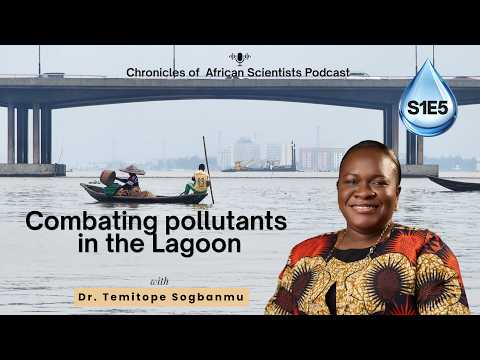 A scientist's quest to turn environmental research into policy in NigeriaDr. Temitope Sogbanmu
- S1E04
 The real world roll out of vaccination on maternal health in AfricaDr. Tshepiso Mbangiwa
Cuts from the clips
48 Shorts · 8 voices
 "When I'm being criticized, I only try to work harder to prove myself.Prof. Tonjock Rosemary-Kinge
 In academia and research, many major opportunities have strict eligibility windows.Prof. Tonjock Rosemary-Kinge
 The fungus behind vascular wilt, Fusarium oxysporum elaeidis (FOE)Prof. Tonjock Rosemary-Kinge
 She preserved her samples in glycerol, flew to Florida on a Fulbright scholarship.Prof. Tonjock Rosemary-Kinge
 How would you give the same advice in your language?Dr. Mpelegeng Victoria Bvumbi
 The regret of giving up lasts far longer than the pain of pushing throughDr. Mpelegeng Victoria Bvumbi
 Failure has a way of making us see what we missedDr. Mpelegeng Victoria Bvumbi
 A historically disadvantaged university should not dictate how you show up as a scientistDr. Mpelegeng Victoria Bvumbi
 Chloroquine was once the world's most trusted malaria drugDr. Mpelegeng Victoria Bvumbi
 She failed 5 of her 6 first-year university modulesDr. Mpelegeng Victoria Bvumbi
 The fishes in Lagos water bodies are swimming in a cocktail of pollutantsDr. Temitope Sogbanmu
 Lagos needs a strategic environmental management sustainability planDr. Temitope Sogbanmu
 Science research needs to impact livesDr. Temitope Sogbanmu
 “Water water everywhere in Lagos, no water to drink”Dr. Temitope Sogbanmu
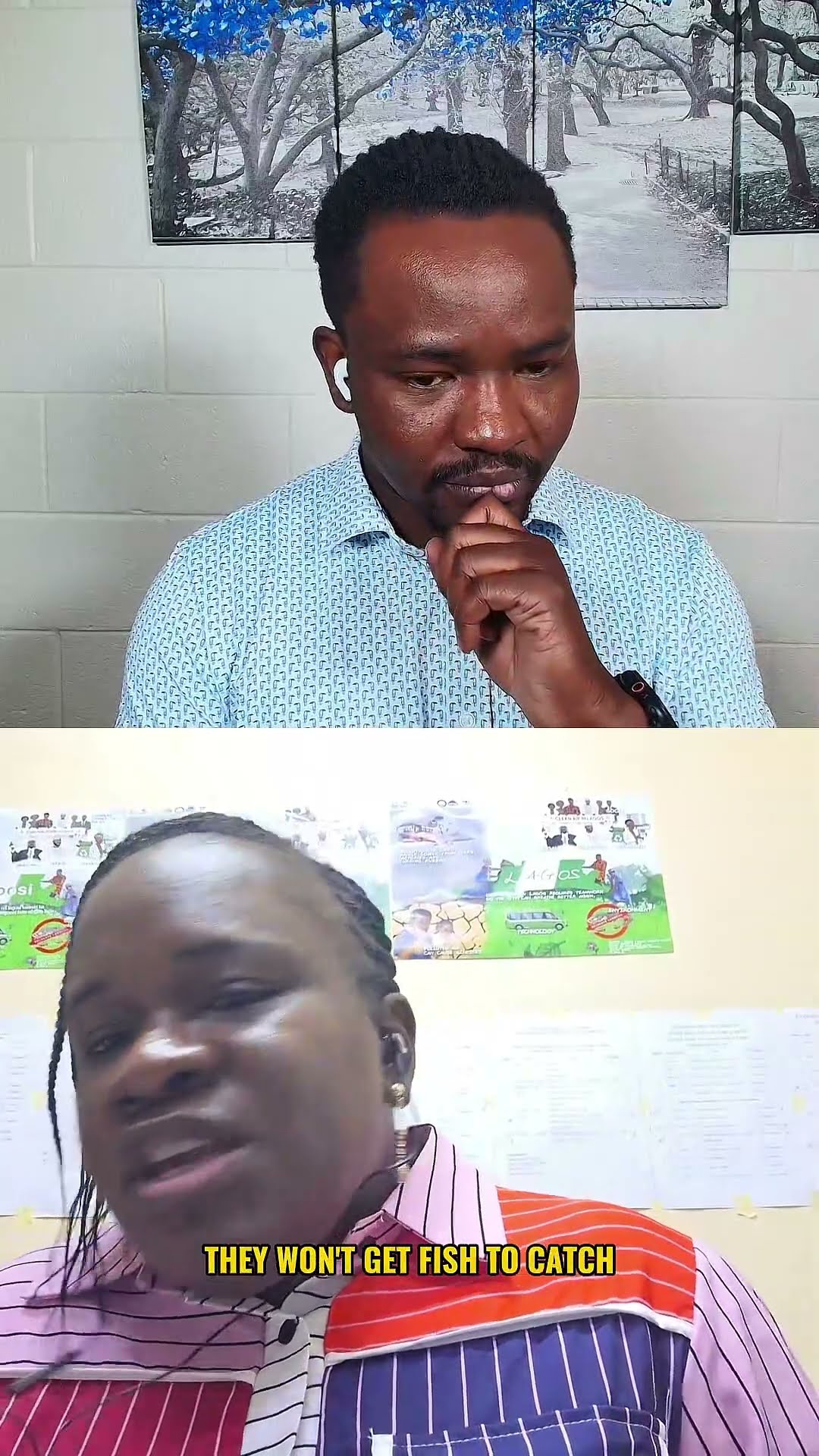 What if the biggest threat to the Lagos Lagoon is not just pollutionDr. Temitope Sogbanmu
 Academia wants you to write papers; reality demands policy changeDr. Temitope Sogbanmu
 Real-world clinical research isn't just about dataDr. Tshepiso Mbangiwa
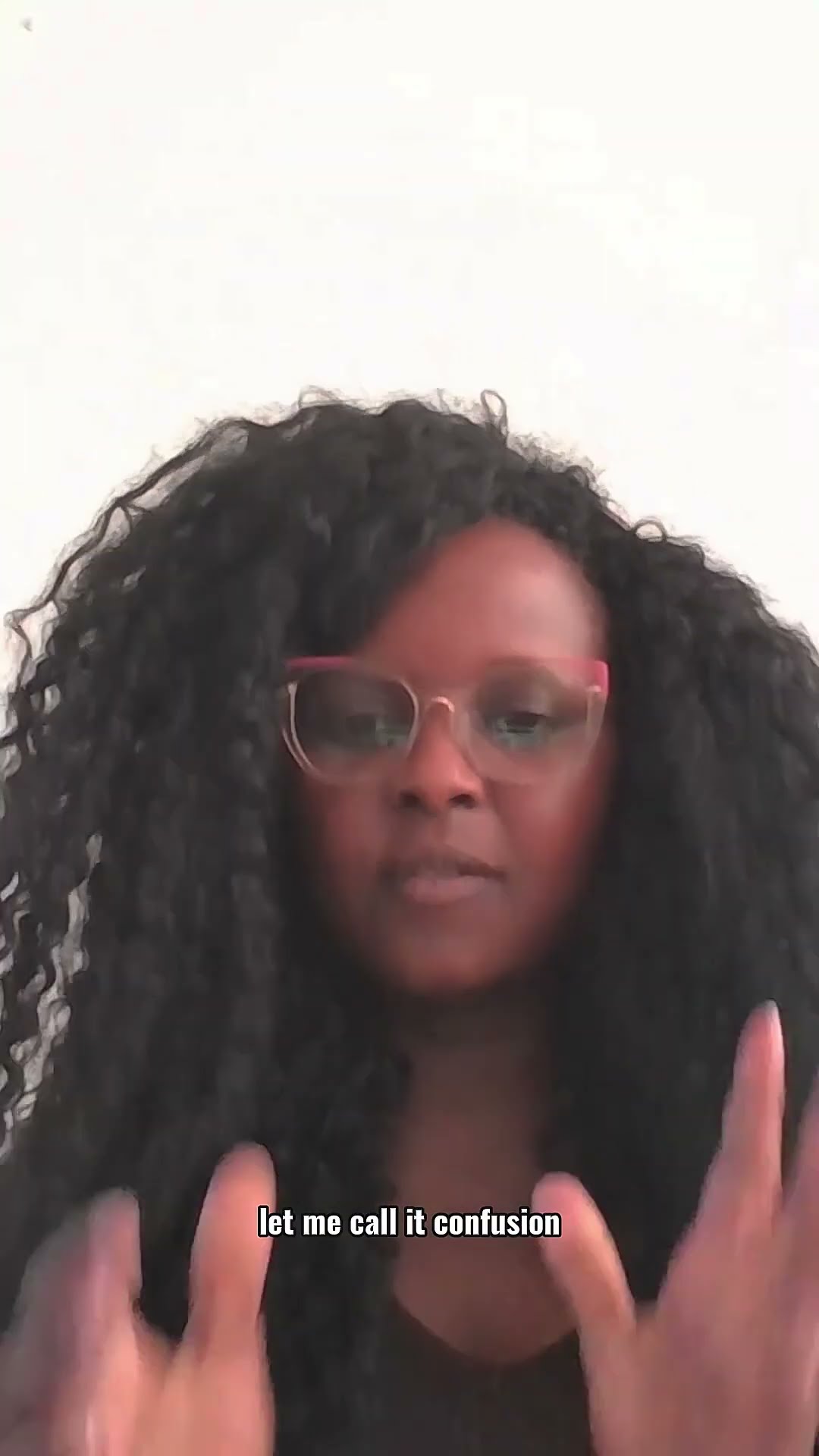 You can't pay rent with love: what postdocs are actually paidDr. Tshepiso Mbangiwa
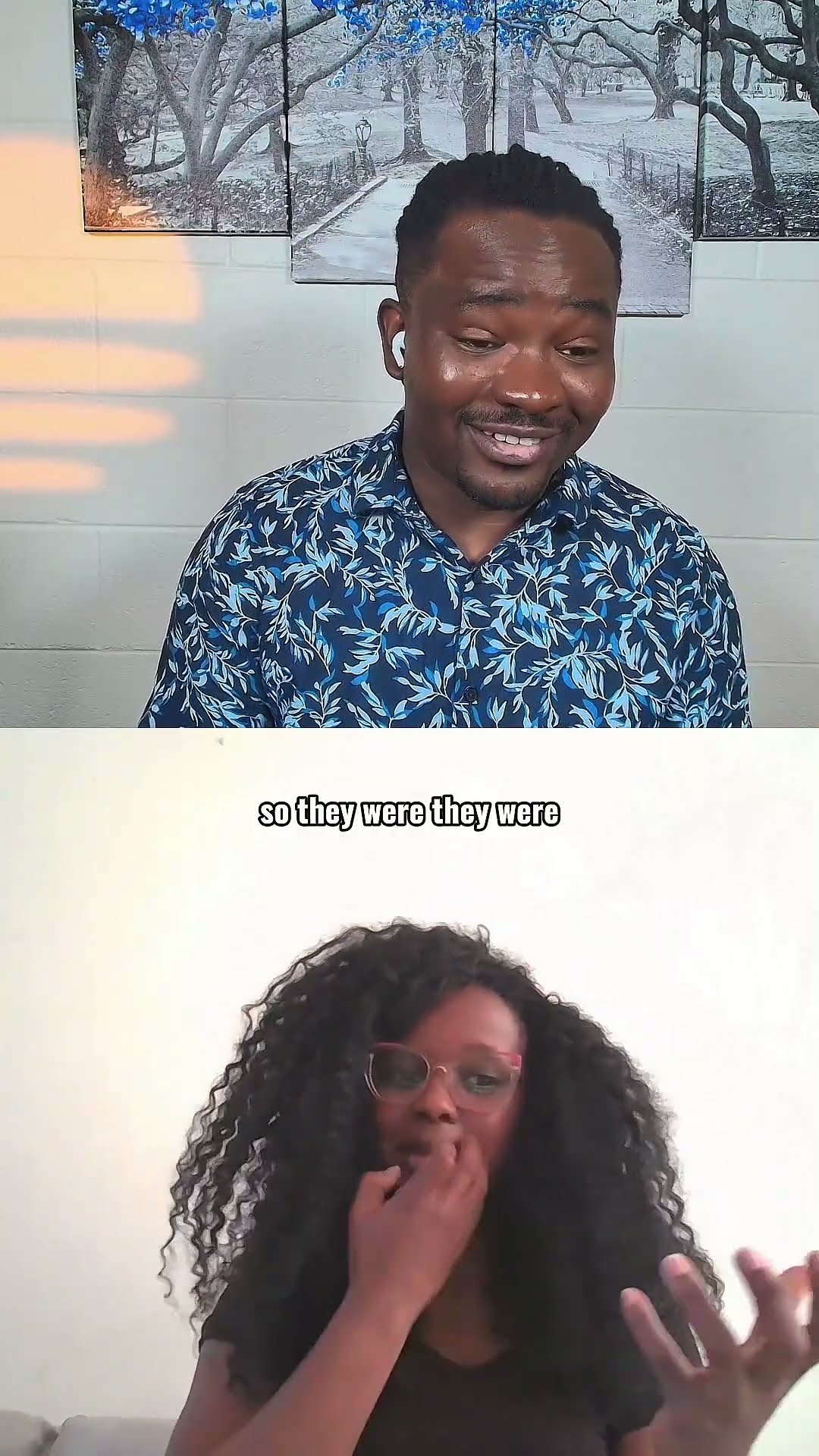 She studied Hepatitis B in pregnant women and found the opposite of what she expectedDr. Tshepiso Mbangiwa
 A year of data, and the method was wrong from the startDr. Tshepiso Mbangiwa
 What does it take to lead a multi-million euro vaccine study?Dr. Tshepiso Mbangiwa
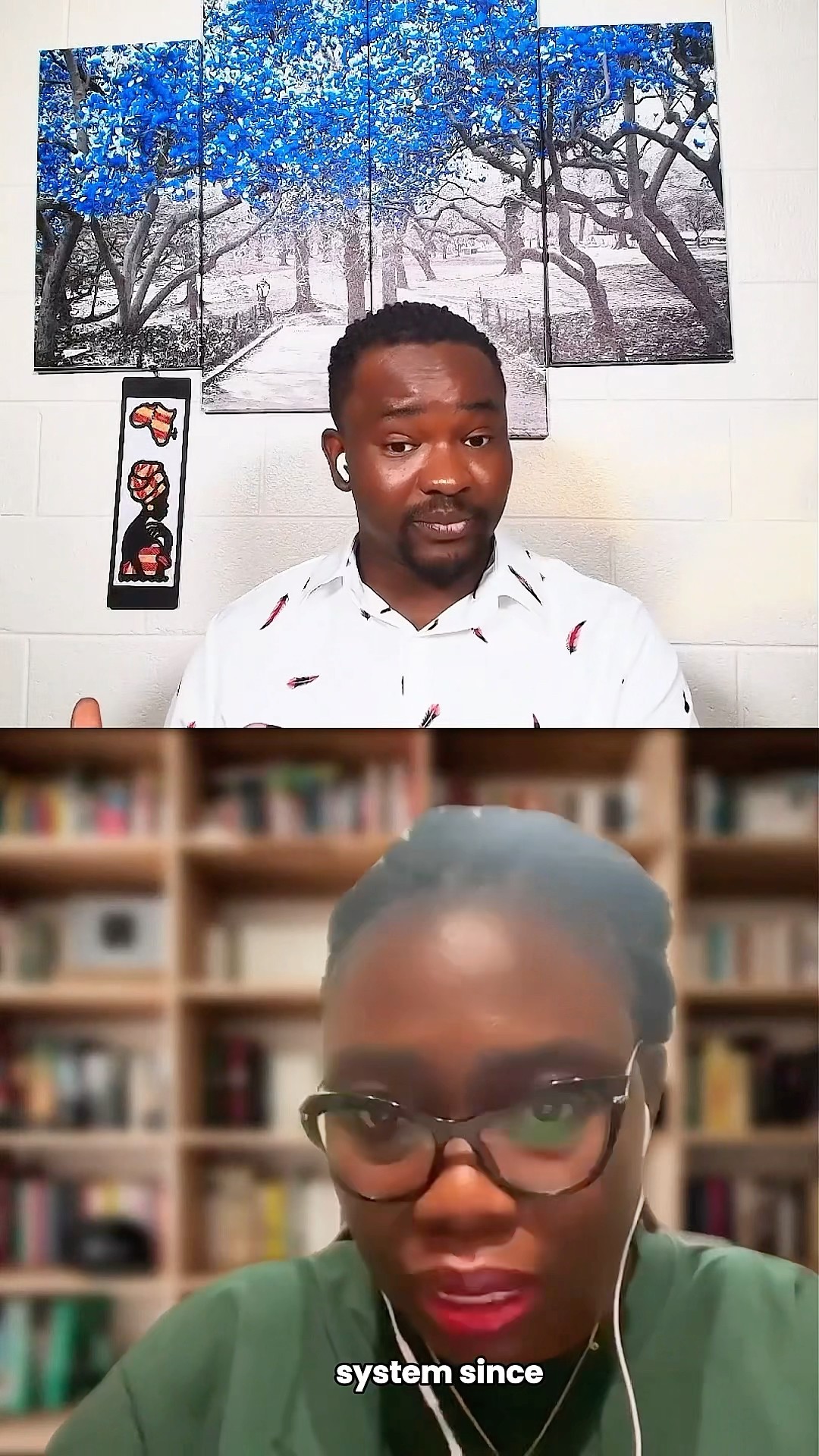 Identifying bacteria by multi-locus genetic barcodeDr. Adeola Salawu-Rotimi
 You have to take a bet on yourselfDr. Adeola Salawu-Rotimi
 Women are dominating the field of bioinformaticsDr. Adeola Salawu-Rotimi
 What happens when you get a course you never wanted to studyDr. Adeola Salawu-Rotimi
 Could you scan bacteria like a checkout item at the grocery store?Dr. Adeola Salawu-Rotimi
 Tracking a dangerous bacterium as fast as scanning a barcodeDr. Adeola Salawu-Rotimi
 Researchers in Africa deserve a spotlightDr. Edina Amponsah-Dacosta
 Great science is built on the shoulders of great mentorsDr. Edina Amponsah-Dacosta
 The truth about Hepatitis B vaccine coverageDr. Edina Amponsah-Dacosta
 Which country has the best jollof?Dr. Edina Amponsah-Dacosta
 Everything you need to know about Hepatitis BDr. Edina Amponsah-Dacosta
 100× more infectious than HIV, and millions carry it without a symptomDr. Edina Amponsah-Dacosta
 Tag a mentor who changed your trajectoryDr. Moses Oladele Alfred
 Antibiotic resistance isn't a future problemDr. Moses Oladele Alfred
 Why are private universities exempted from the TETFund grant?Dr. Moses Oladele Alfred
 What it takes to become an Alexander von Humboldt fellowDr. Moses Oladele Alfred
 Why we need to pay attention to emerging contaminantsDr. Moses Oladele Alfred
 Standard animal science literature assumes that as birds age..Dr. Hlengiwe Nombuso Mtetwa
 How one adjustment in poultry feeding can save 10% on production costs.Dr. Hlengiwe Nombuso Mtetwa
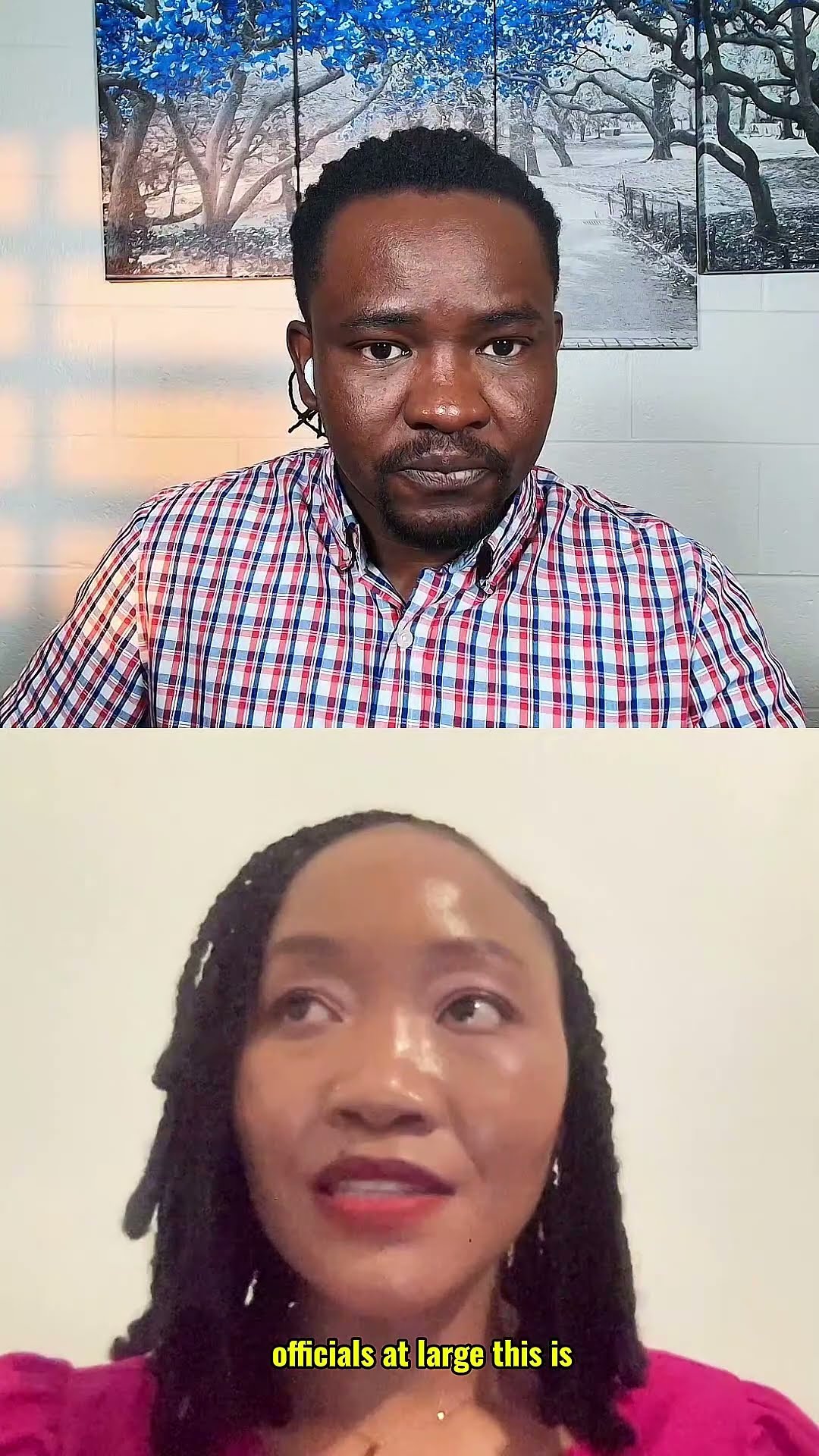 How do we bridge the gap between complex laboratory science and real-world public health action?Dr. Hlengiwe Nombuso Mtetwa
 Metagenomics is changing how we track the movement of diseases across borders.Dr. Hlengiwe Nombuso Mtetwa
 Researchers can trace antibiotic residues back to wastewaters.Dr. Hlengiwe Nombuso Mtetwa
 When we talk about diseases like tuberculosis, we usually look only at the human aspect.Dr. Hlengiwe Nombuso Mtetwa
 A single sewage sample can represent up to 50,000 peopleDr. Hlengiwe Nombuso Mtetwa
 The Chronicles of African Scientists website is officially LIVE.Dr. Hlengiwe Nombuso Mtetwa
 Discovering a new variant or studying synapomorphies in plant pathogens isn't just about taxonomy.Prof. Tonjock Rosemary-Kinge
 Researchers in Cameroon and across Africa face a glaring gap.Prof. Tonjock Rosemary-Kinge
The host
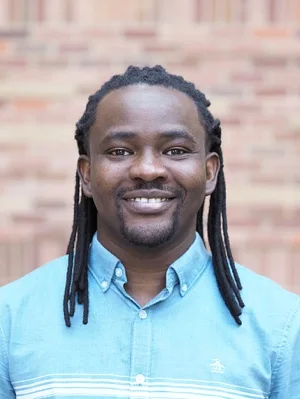
Adetunji “Teejay” Adesina, Ph.D.
Virologist · Molecular Epidemiologist
- Research
- 10+ years
- Worked across
- Africa, Europe, North America
- PhD
- Obafemi Awolowo University
- In the chair
- 08 conversations
- Usual length
- 67 minutes
- Cadence
- A new episode every other week
Adetunji “Teejay” Adesina is a virologist and molecular epidemiologist with over a decade of research experience across Africa, Europe, and North America. He holds a PhD in Biochemistry and Molecular Biology from Obafemi Awolowo University in Ile-Ife, Nigeria, where he also completed his BSc and MSc. His scientific work spans the molecular epidemiology of Lassa virus in endemic communities in Nigeria, virus–host interactions in HIV and related primate viruses, and the evolutionary biology of zoonotic diseases. He has spent the last decade convinced that how science is communicated is as important as the science itself.
Chronicles of African Scientists grew out of a gap that most African scientists know too well. Brilliant, rigorous, consequential science is being done across Africa every day, and most of the world never hears about it. Not because the work isn’t there, but because the stories aren’t being told. We’re here to change that. Every episode is a conversation with an African researcher based in Africa — told in their own voice and language.
This platform was built for the next generation of African scientists to see what is already being built on the continent and draw inspiration from it.
Where to listen
8 episodes · 48 clips
Frequently asked questions
Before you press play
A new episode every other week — two researchers sharing their stories every month.
Each episode is about 70 minutes, in three segments: getting to know the scientist, their research, and a topic they are passionate about.
Every episode is on YouTube and on Spotify, and every one of them also plays here on this page without leaving it.
African researchers based in Africa who can speak to the challenges they face and the awesome research that they do.
Adetunji “Teejay” Adesina, an Africa-trained research scientist who understands the research landscape and is passionate about telling the untold stories of African scientists based in Africa.
Yes! We want to hear your story, and theirs. Reach out to us on our platforms or email us at chroniclesofafricanscientists@gmail.com.
Your scientist here
Know a scientist who should be here?
Send the name, the lab, and one line on the work.
Message @casplatform